Food safety is not the most glamorous part of cooking. Nobody posts a dramatic photo of a clean cutting board or celebrates checking the refrigerator thermometer. Still, these small habits matter just as much as seasoning, timing, and presentation.
Food can look and smell normal while still carrying harmful germs, so guessing is not a reliable safety strategy. Fortunately, you do not need professional equipment or complicated routines to protect yourself and the people you cook for.
The most useful advice can be summarized in four actions: clean, separate, cook, and chill. Together, they help stop germs from spreading, reduce the risk of undercooked food, and keep perishables out of unsafe temperature ranges.
This guide explains the essential food safety rules every home cook should know, from washing hands correctly to cooling and reheating leftovers. Once these steps become routine, they add very little effort to everyday cooking.
1. Wash Your Hands at the Right Times
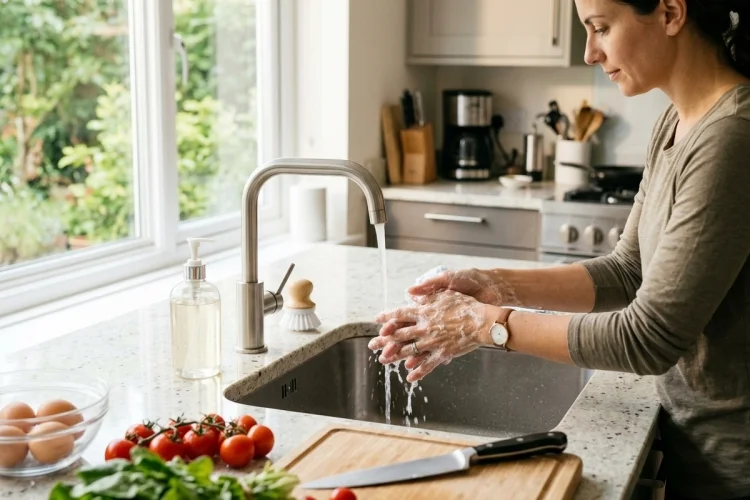
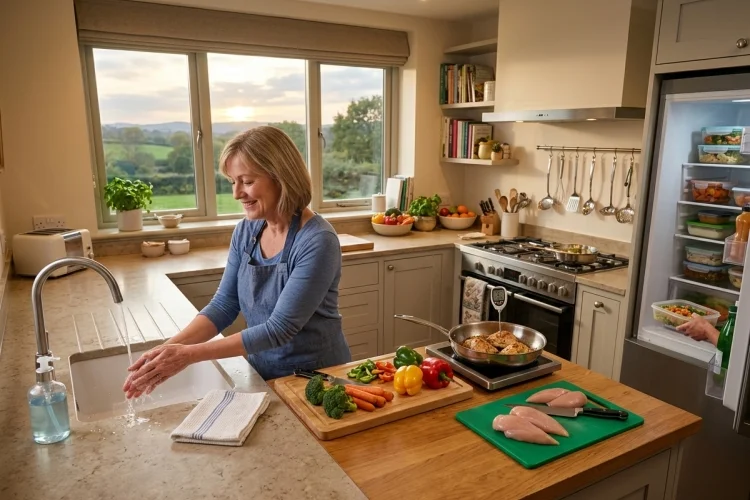
Wash your hands with soap and running water for at least 20 seconds. Clean your palms, the backs of your hands, between your fingers, and underneath your nails, then dry them with a clean towel.
Do this before preparing food and after touching raw meat, poultry, seafood, or eggs. Wash again after using the bathroom, handling trash, touching pets, coughing, sneezing, or using a phone with messy hands.
Hand sanitizer is useful when soap and water are unavailable, but it is not ideal for visibly dirty or greasy hands. In the kitchen, proper handwashing should be the default.
2. Clean Surfaces-but Do Not Wash Raw Meat
Wash knives, cutting boards, countertops, utensils, and plates with hot, soapy water after they touch raw animal products. Replace damp, dirty dishcloths regularly and clean spills before they spread.
Rinse fresh produce under running water before cutting or eating it. Even when you plan to peel an ingredient, washing the outside helps prevent the knife from carrying surface contamination into the edible part.
Do not rinse raw chicken, turkey, beef, pork, or lamb. USDA guidance warns that splashing water can spread bacteria around the sink and nearby surfaces. Cooking food to a safe temperature-not washing it-is what destroys harmful germs.
3. Prevent Cross-Contamination
Cross-contamination happens when germs move from raw food to cooked food, ready-to-eat ingredients, tools, hands, or surfaces. Cutting raw chicken and then preparing salad on the same unwashed board is a common example.
Keep raw meat, poultry, seafood, and eggs away from foods that will not be cooked. Store raw packages in sealed containers on the lowest refrigerator shelf so juices cannot drip onto other food.
Use separate cutting boards when practical, or wash one board thoroughly before switching ingredients. Never return cooked meat to the plate that held it raw.
A marinade that has touched raw meat should not be used as a finishing sauce unless it is properly boiled first. These habits support the official “separate” step of food safety.
4. Use a Food Thermometer
Color and texture can suggest doneness, but they cannot reliably confirm safety. A digital thermometer is the best way to check meat, poultry, seafood, egg dishes, and leftovers.
Poultry and reheated leftovers should reach 165°F, or 74°C. Ground beef, pork, lamb, and veal should reach 160°F, or 71°C. Whole cuts of beef, pork, veal, and lamb should reach 145°F, or 63°C, followed by a three-minute rest. Fish should generally reach 145°F, or 63°C.
Insert the probe into the thickest part without touching bone or the pan. For thinner foods, insert it from the side so the sensing area reaches the center.
Clean the thermometer with hot, soapy water before and after every use. Otherwise, the tool intended to improve safety may become another source of cross-contamination.
5. Control Time and Temperature
Bacteria can multiply quickly between 40°F and 140°F, or approximately 4°C and 60°C. Keep cold food at or below 40°F and hot food at or above 140°F when holding it for serving.
Set your refrigerator to 40°F, or 4°C, or below and the freezer to 0°F, or -18°C. An inexpensive appliance thermometer can confirm the actual temperature, even when the refrigerator has a built-in display.
Do not leave perishable food at room temperature for more than two hours. When the surrounding temperature is above 90°F, or 32°C, the limit falls to one hour.
At parties or picnics, keep cold dishes over ice and hot dishes in suitable warming equipment. Returning food to the refrigerator later does not undo several hours spent at an unsafe temperature.
6. Thaw, Marinate, and Cool Food Safely
Never thaw frozen meat, poultry, or seafood on the countertop. The surface can become warm enough for bacteria to grow while the center remains frozen.
FDA guidance lists three safe thawing methods: in the refrigerator, in cold water, or in the microwave. Food thawed in cold water or a microwave should be cooked immediately.
Thawing in the refrigerator is slow but convenient. Place packages in a tray or container to catch any leaks. When using cold water, keep the food in a leak-proof bag and replace the water regularly so it stays cold.
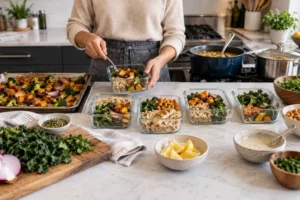
Always marinate food in the refrigerator rather than at room temperature. After cooking, divide large batches of soup, stew, rice, or meat among shallow containers so they cool faster.
Hot food can be refrigerated promptly; it does not need to sit on the counter until completely cool.
7. Store and Reheat Leftovers Properly
Refrigerate leftovers within two hours and label containers with the date. Most cooked meat dishes and general leftovers should be eaten within three to four days when properly refrigerated.
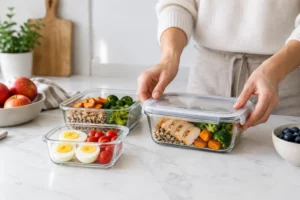
Use shallow, covered containers instead of leaving food in a large cooking pot. Smaller portions cool faster and are easier to reheat evenly.
Reheat leftovers to 165°F, or 74°C. Stir soups, sauces, and microwave meals during reheating so cold areas do not remain hidden in the center.
Do not rely only on smell or appearance. Some harmful microorganisms produce no obvious warning signs. When you genuinely cannot remember how long a perishable food has been stored or left out, throwing it away is safer than taking a chance.
The essential food safety rules every home cook should know are practical and easy to remember: clean, separate, cook, and chill.
Wash your hands, clean equipment after preparing raw food, prevent cross-contamination, and check doneness with a thermometer rather than guessing.
Keep the refrigerator at 40°F or below, refrigerate perishables promptly, and reheat leftovers thoroughly. Thaw and marinate food in the refrigerator, never on the counter, and skip washing raw meat or poultry.
Take ten minutes today to check your refrigerator temperature, inspect your cutting boards, and locate a working food thermometer. Turning these simple precautions into habits will make your kitchen safer without making cooking feel complicated.