Eating well can sometimes feel expensive. Walk through a grocery store and you may see premium protein products, specialty snacks, organic produce, and trendy health foods that make balanced eating look like something reserved for a bigger budget.
Fortunately, nutritious meals do not have to be complicated or costly.
Learning how to plan balanced meals on a budget is mostly about choosing versatile ingredients, planning before shopping, reducing waste, and understanding what a balanced plate actually needs.
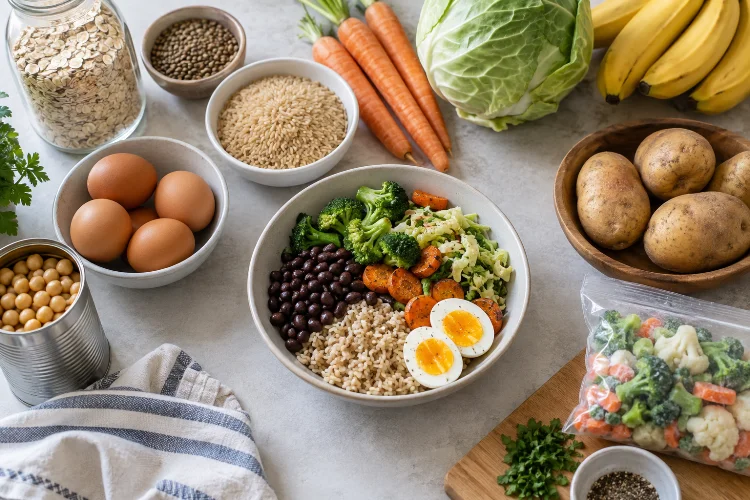
Affordable staples such as oats, rice, beans, lentils, eggs, frozen vegetables, canned fish, potatoes, and seasonal fruit can form the foundation of dozens of nutritious meals.
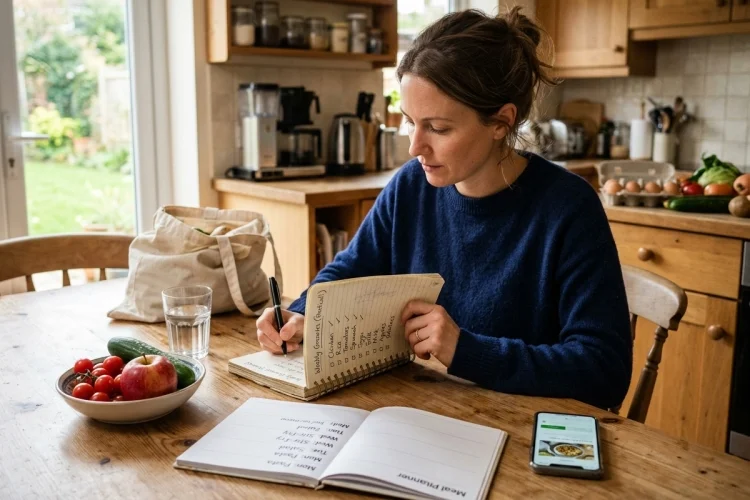
Planning also matters because spontaneous grocery shopping often leads to buying ingredients that never get used. USDA MyPlate recommends checking what you already have, planning meals for the week, and creating a shopping list before heading to the store.
With a simple system, you can eat well while keeping food costs under control.
1. Start With a Simple Balanced Plate
You do not need to calculate every gram of carbohydrates, protein, and fat to create a balanced meal.
A useful starting point is to divide your meal into a few basic components: vegetables and fruit, whole grains or another carbohydrate source, protein, and a modest amount of healthy fat.
Harvard’s Healthy Eating Plate suggests filling about half the plate with vegetables and fruits, one-quarter with whole grains, and one-quarter with healthy protein sources such as fish, poultry, beans, or nuts.
That framework can work with inexpensive foods.
For example, a budget-friendly dinner could include brown rice, sautéed frozen vegetables, and lentils topped with a small amount of olive oil or yogurt. Another meal might combine roasted potatoes, cabbage, carrots, and eggs.
Balance comes from the combination of foods, not from buying expensive ingredients.
2. Plan Meals Around What You Already Have
Before writing a grocery list, check your refrigerator, freezer, and pantry.
You might already have half a bag of rice, several eggs, frozen peas, canned tomatoes, or pasta that can become part of next week’s meals. Building around those foods prevents duplicate purchases and reduces waste.
USDA MyPlate specifically recommends checking existing supplies before planning weekly meals because using what is already available can save money.
Suppose you have rice, two cans of beans, carrots, and frozen corn. Instead of starting your meal plan from scratch, you could build several meals around them: bean-and-rice bowls, vegetable fried rice, soup, or stuffed wraps.
Try planning five or six main meals instead of seven completely seperate dinners. One meal can intentionally produce leftovers for lunch the following day.
This makes planning much easier and prevents your refrigerator from becoming a collection of forgotten ingredients.
3. Choose Affordable Protein Sources
Protein is often one of the more expensive parts of a grocery bill, especially when every meal revolves around large portions of meat.
Using a wider variety of protein sources can make meal planning significantly cheaper.
Beans, lentils, eggs, peanut butter, tofu, canned tuna, and some cuts of chicken or pork can provide useful protein without requiring premium ingredients.
USDA budget-planning materials specifically identify beans and eggs as lower-cost protein choices and also recommend staples such as canned fish and dried beans.
You can also stretch more expensive proteins rather than making them the entire meal.
Instead of serving a large chicken breast to each person, for example, slice chicken and combine it with vegetables and rice in a stir-fry. Ground meat can be mixed with beans in chili, tacos, or pasta sauce.
This approach increases volume, fiber, and variety while helping your grocery budget go further.
4. Use Fresh, Frozen, and Canned Foods Strategically
Fresh produce is great, but it is not the only way to eat vegetables and fruit.
Frozen and canned foods can be extremely convinient, especially when fresh produce spoils before you have time to use it.
CDC guidance notes that frozen, dried, and canned fruits and vegetables can fit into a healthy diet, particularly when choosing options without added sugar and with lower sodium when possible.
Frozen broccoli, spinach, peas, berries, and mixed vegetables can stay usable for weeks or months. You can take only what you need and return the rest to the freezer.
Canned tomatoes, beans, corn, chickpeas, tuna, and fruit can also make quick meals easier.
Fresh foods still have an important place. Bananas, carrots, cabbage, onions, potatoes, oranges, and seasonal produce are often relatively inexpensive and versatile.
The goal is not to choose fresh or frozen. Use whichever format offers the best combination of price, nutrition, convenience, and shelf life.
5. Build Your Shopping List Around Versatile Staples
A smart grocery list contains ingredients that can appear in more than one meal.
Buying an ingredient for a single recipe can be wasteful, especially when the recipe only requires a small portion of the package.
Think in terms of building blocks.
Oats can become breakfast porridge, overnight oats, or an ingredient in homemade snacks. Brown rice might accompany a curry one night, become fried rice the next day, and go into a grain bowl later in the week.
USDA meal-planning resources recommend choosing ingredients that can be used across several recipes to save money and reduce food waste.
A simple weekly grocery basket might contain oats, rice, whole-grain bread, beans, eggs, chicken, carrots, onions, cabbage, frozen vegetables, bananas, yogurt, and a few basic seasonings.
From those ingredients, you could make breakfast bowls, sandwiches, stir-fries, soups, rice bowls, omelets, and several different dinners.
Versatility makes every dollar work harder.
6. Compare Unit Prices Instead of Package Prices
A cheaper-looking package is not always the best deal.
A small bag of rice might cost less overall than a larger one, but the larger package could have a much lower cost per ounce, pound, or kilogram.
This is where unit pricing becomes useful.
USDA’s healthy-eating-on-a-budget guidance recommends checking unit prices when comparing similar brands and package sizes.
However, buying larger quantities only saves money when you will actually use the food.
Bulk purchases make sense for long-lasting foods such as rice, oats, dried lentils, beans, pasta, flour, or frozen vegetables. Buying a huge package of fresh salad greens only because the unit price is lower may be a bad bargain if half ends up in the trash.
Think about both cost and realistic consumption.
The best deal is the food you can afford and finish.
7. Make Leftovers Part of the Plan
Leftovers should not be treated as accidental food sitting in the refrigerator.
Plan for them.
If you roast chicken on Monday, some can become Tuesday’s sandwich filling or a rice bowl. Cooked vegetables can go into an omelet, soup, pasta dish, or wrap.
USDA’s planning guidance recommends intentionally repurposing leftovers and preparing large batches of basic foods such as rice, pasta, vegetables, or protein for later meals.
Another effective strategy is ingredient prep rather than full meal prep.
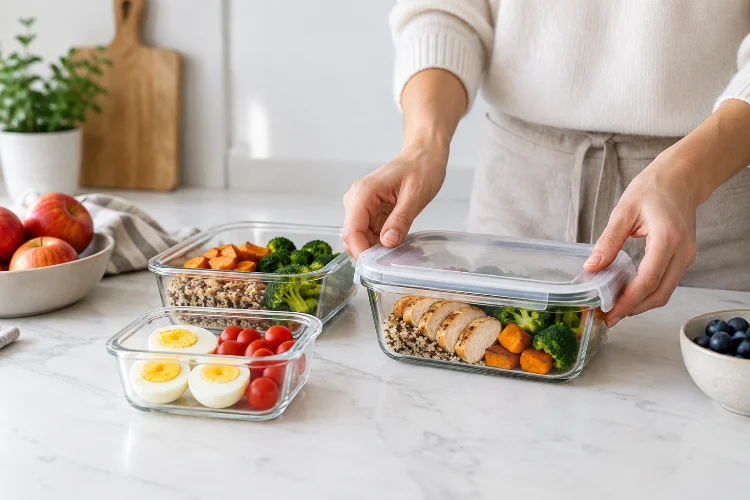
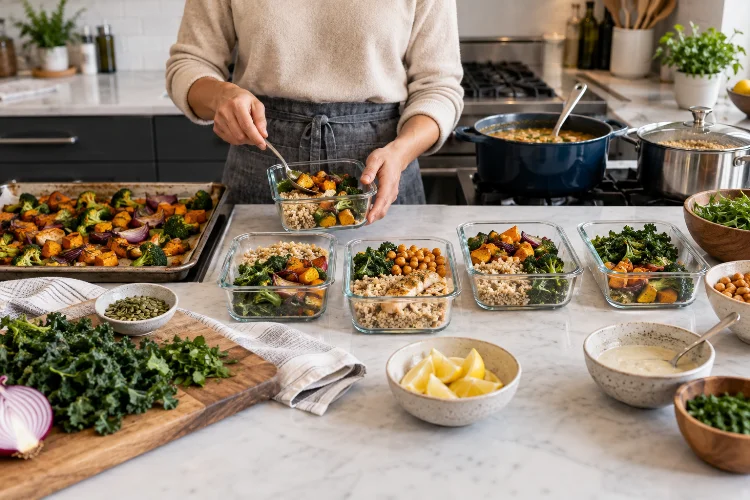
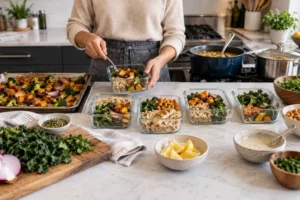
Cook a pot of rice, boil several eggs, chop vegetables, and prepare beans or lentils. During the week, combine them differently instead of eating the exact same pre-portioned meal every day.
This makes your meal plan flexible.
It also helps accomodate days when you have less time or suddenly do not feel like eating the dinner originally planned.
8. Limit Expensive Convenience Foods
Convenience foods are not automatically unhealthy or wasteful. Frozen vegetables, canned beans, and precooked grains can actually save time while supporting a balanced diet.
The expensive part often comes from heavily packaged individual portions, restaurant delivery, specialty beverages, and ready-to-eat meals bought frequently.
Planning even a few basic meals at home can make a noticeable difference.
CDC notes that preparing meals at home with some advance planning can support healthier choices and reduce reliance on less nutritious last-minute options.
You do not need to cook everything from scratch.
Choose convenience where it genuinely helps. A bag of frozen vegetables that prevents you from ordering takeout may be worth paying slightly more for than fresh vegetables requiring extensive prep.
Budget meal planning should make your life easier, not turn every dinner into a two-hour cooking project.
9. Create a Simple Weekly Budget Meal Formula
Instead of searching for seven completely different recipes every week, create a repeating formula.
For example:
Breakfast might rotate between oatmeal with fruit, eggs with whole-grain toast, and yogurt with oats.
Lunch could use leftovers, sandwiches, soups, or rice bowls.
Dinner can follow simple themes such as pasta night, bean-based meals, stir-fry night, chicken and vegetables, soup night, and a leftovers night.
You can change the ingredients and seasonings without rebuilding the entire plan.
A bean bowl might have Mexican-inspired flavors one week and Mediterranean ingredients the next. Rice can accompany curry, vegetables, eggs, or fish.
This approach keeps meals nutritous without requiring dozens of different grocery items.
It also makes future planning faster because you are adjusting a familiar template rather than starting from zero every Sunday.
Understanding how to plan balanced meals on a budget is less about finding the cheapest possible foods and more about using your grocery money wisely.
Start with a balanced plate, check what you already have, choose affordable proteins, and combine fresh, frozen, and shelf-stable ingredients based on price and convenience.
Versatile staples, intentional leftovers, unit-price comparisons, and a simple weekly meal formula can reduce both spending and food waste.
You also do not need expensive “health foods” to build nutritious meals-everyday ingredients such as beans, oats, eggs, rice, vegetables, and fruit can do much of the work.
For your next grocery trip, try planning just three or four dinners before you shop. Build your list around those meals, reuse ingredients throughout the week, and see how much easier it becomes to eat well without stretching your budget.