Vegetables have an unfair reputation for being bland. In reality, they usually lose their appeal because they are cooked with too much water, left on the heat for too long, or seasoned only after they have already turned soft and tired.
Learning how to cook vegetables without losing their flavor is less about following one perfect method and more about understanding what each vegetable needs.
Broccoli and green beans benefit from quick cooking, root vegetables become sweeter when roasted, and leafy greens need only a few minutes in a hot pan. The size of the pieces, amount of moisture, pan temperature, and timing of the seasoning all influence the final result.
The goal is not to keep every vegetable crunchy or avoid heat completely. Cooking can soften tough fibers, concentrate natural sweetness, and create browned, savory flavors.
With a few practical techniques, you can make vegetables taste fresher, richer, and more satisfying without hiding them under heavy sauces.
1. Begin with Good Preparation
Flavor starts before the pan gets hot. Choose vegetables that feel firm and look vibrant, then wash them under cold running water. The USDA advises using plain water rather than soap or detergent.
Dry the vegetables well when you plan to roast, grill, or sauté them. Excess surface moisture creates steam and makes browning more difficult.
Cut everything into similar sizes so the pieces cook at roughly the same rate. If half your carrots are thin coins and the rest are thick chunks, the smaller pieces may burn before the larger ones become tender.
2. Match the Method to the Vegetable
Tender vegetables such as zucchini, asparagus, peas, spinach, and mushrooms usually need short cooking times. Dense vegetables such as potatoes, carrots, beets, and winter squash require longer exposure to heat.
Steaming works well for broccoli, green beans, cauliflower, and leafy greens because it cooks gently without submerging them. Good Food notes that steaming helps retain flavor while producing a tender texture when vegetables are not overcooked.
Roasting suits vegetables that become sweeter and more savory through browning. Sautéing or stir-frying is ideal for quick-cooking produce, while boiling is practical for potatoes, corn, and vegetables that will be mashed or added to soup.
3. Steam for a Clean, Fresh Taste
Steaming is one of the easiest ways to preserve the natural character of vegetables. Because the food sits above the liquid, fewer flavor compounds escape into the cooking water.
Bring a small amount of water to a simmer, place the vegetables in a steamer basket, and cover the pan. Keep the lid closed so the steam remains trapped.
Check the vegetables early. Broccoli florets, green beans, and asparagus can move from crisp-tender to soft surprisingly quickly. Remove them when a knife enters with slight resistance and the color still looks bright.
Season immediately after steaming. Salt, olive oil, butter, lemon juice, or toasted sesame oil will spread easily across the hot surface.
4. Roast to Concentrate Sweetness
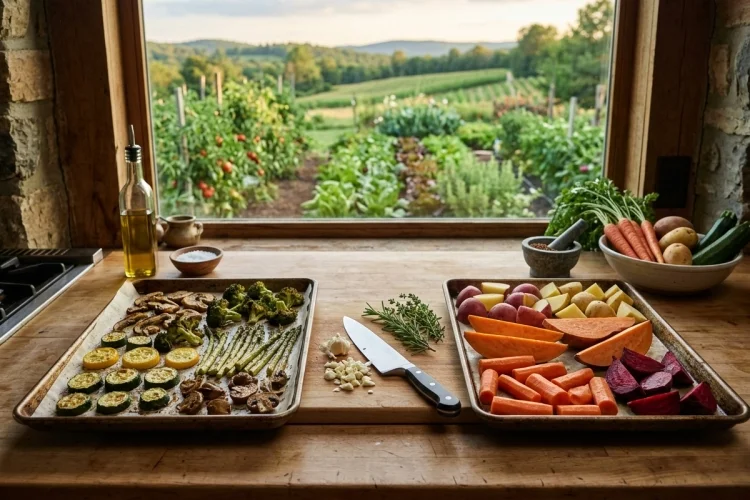
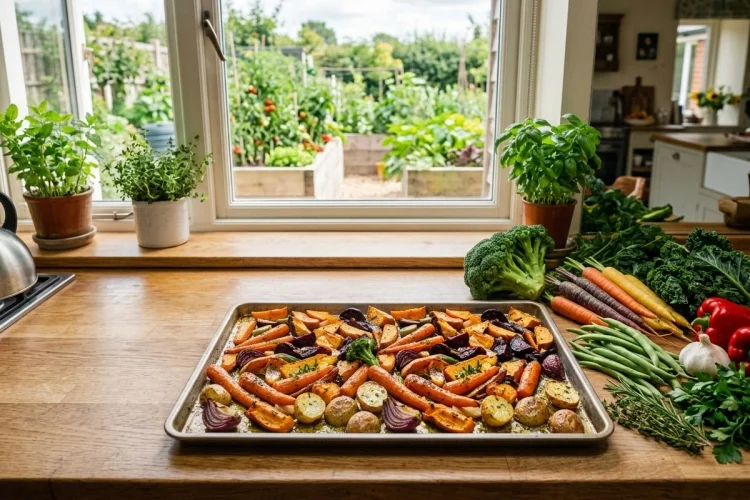
Roasting removes surface moisture and encourages browning, creating deeper, sweeter flavors. Carrots, cauliflower, Brussels sprouts, onions, squash, sweet potatoes, and broccoli are excellent candidates.
Dry the vegetables, cut them evenly, and coat them with enough oil to create a light sheen. Arrange everything in a single layer. Crowded vegetables trap steam and become pale rather than crisp and browned.
Use a large baking sheet and avoid turning the pieces constantly. Contact with the hot tray helps develop golden edges.
Season before roasting, but save delicate herbs, citrus zest, grated cheese, and acidic dressings for the end. These finishing ingredients brighten the concentrated flavor without burning in the oven.
5. Sauté and Stir-Fry Quickly
Sautéing and stir-frying create vegetables that remain lively, lightly crisp, and intensely flavored. The essential ingredients are a hot pan, evenly cut pieces, and enough room for moisture to escape.
Prepare everything before cooking because the process moves quickly. Add dense ingredients such as carrots or broccoli stems first, followed by softer vegetables like peppers, mushrooms, snow peas, or leafy greens.
Do not overload the pan. Too many vegetables reduce the temperature and create steam. Dry ingredients and sensible batch sizes help the food make better contact with high heat.
Add garlic, ginger, and dried spices carefully because they can burn. A splash of soy sauce, vinegar, citrus juice, or stock near the end can loosen browned bits and lightly coat the vegetables.
6. Use Boiling and Blanching with Care
Boiling is not automatically bad, but long exposure to a large amount of water can dilute flavor and allow water-soluble compounds to move into the liquid. This matters less in soup because the cooking water remains part of the dish.
Use only the water you need, season it, and avoid cooking vegetables until they collapse. For potatoes and other dense produce, test frequently with a knife rather than relying only on the clock.
Blanching means briefly cooking vegetables in boiling water and then cooling them rapidly in ice water. It works well for green beans, broccoli, peas, and vegetables being prepared ahead. Rapid cooling stops continued cooking and helps prevent a mushy texture.
After chilling, drain and dry the vegetables. Reheat them briefly with butter, oil, garlic, or herbs before serving.
7. Season at the Right Time and Stop Early
Vegetables need seasoning, but they should still taste like themselves. Salt strengthens natural flavor, fat carries aromas, and acidity can make a finished dish feel fresher.
Season in stages. Salt onions and mushrooms while they cook, coat vegetables evenly before roasting, and adjust steamed vegetables while they are still hot.
Finish with lemon juice, vinegar, yogurt, fresh herbs, toasted nuts, seeds, breadcrumbs, or a little cheese. These additions create contrast without overwhelming the produce.
Most importantly, stop cooking before the vegetables become mushy. Residual heat continues softening them after they leave the stove, so remove them when they are slightly firmer than your ideal final texture.
Use visual and physical clues. Green vegetables should remain bright, roasted vegetables should have browned edges, and root vegetables should be easy to pierce without falling apart. When mixing different vegetables, add them in stages so each one finishes at the right time.
Cooking vegetables without losing their flavor comes down to choosing the right heat, controlling moisture, and stopping at the right moment. Steam delicate produce, roast sturdy vegetables for deeper sweetness, and sauté quick-cooking ingredients in a hot, uncrowded pan.
Use boiling briefly when the liquid will be discarded, and cool blanched vegetables quickly to protect their texture. Season throughout the process, then finish with acidity, herbs, or something crunchy to make the flavor feel brighter.
Choose one familiar vegetable this week and prepare it differently. Roast broccoli instead of boiling it, steam green beans, or stir-fry cabbage. Comparing the results is one of the fastest ways to build better cooking instincts.